
It started, as most good stories do, completely by accident.
My wife and I were wandering through the hallowed, dimly lit halls of The Rijksmuseum in Amsterdam, soaking in the genius of the Dutch Masters. We were surrounded by centuries of history, admiring the dramatic chiaroscuro and the heavy, deliberate brushstrokes. Suddenly, my wife stopped dead in her tracks, looked at a painting, looked back at me, and pulled out her camera.
“Stand right there,” she said, laughing.
I turned around to see what had caught her eye. Staring back at me from a small, ornate wooden frame was a face with a shock of wild, dark curls and a familiar, quiet intensity. Across the centuries, captured in oil on canvas by Rembrandt van Rijn in his early Self-Portrait (circa 1628), was a man who looked remarkably like me.
That moment — captured in the featured image of this post — sparked a realization that has been bouncing around in my head ever since. It made me think about the relationship between the canvas, the subject, and the person holding the brush. It led me to a slightly controversial, but deeply genuine question:
Are we ever truly capturing another person,
or just finding ourselves in their features
The Echo of the Creator
When we look at a portrait, we assume we are seeing an objective record of a specific person at a specific moment in time. But a portrait is never just a mirror; it is a filter that reveals the artist’s subjective perspective, prompting viewers to question notions of authenticity and truth in art.
Even Leonardo da Vinci recognized this phenomenon, famously noting that artists have a subconscious tendency to draw figures that resemble themselves, a concept back then called ogni dipintore dipinge sé (every painter paints himself).
Every painter paints himself
Leonardo da Vinci
When an artist studies a face, they are translating the subject’s geometry through their own physical and psychological lens. They emphasize the features they find compelling. They cast shadows that reflect their own emotional state. They project their own posture, tension, and neuroses onto the sitter. Whether it’s the melancholic gaze in a Modigliani, the fragmented chaos of a Picasso, or the heavy, textured realism of a Rembrandt, you aren’t just seeing the model. You are seeing the artist’s soul laid bare.
Looking Inward Through Others
This realization from the Rijksmuseum completely shifted how I view my own work.
As I spend hours adjusting lighting, studying expressions, and trying to capture the elusive “essence” of the people who inspire me, I can’t help but ask myself: How much of my own face am I projecting onto theirs? When I choose to highlight a furrowed brow or a subtle smirk, am I capturing their truth, or am I addressing my own questions and inviting viewers to reflect on their own art?
I have gathered a few portraits that I’ve recently worked on and posted them below. As you scroll through these faces, I invite you to look a little closer. Observe the subjects, yes, but also seek out the invisible thread that connects them all. Look for the artist’s ghost lingering in the highlights and shadows.
Ultimately, when we attempt to capture someone else, we inevitably leave a piece of ourselves behind.

The Resurrector – Part of the Byzantine Saga
A young queen wandered through the quiet chambers of her…
The Custodian – Part of the Byzantine Saga
this wise, mature man has a secret. it’s not just…

The Protégé – Part of the Byzantine Saga
This young Byzantine man is captured with his quiet radiance…
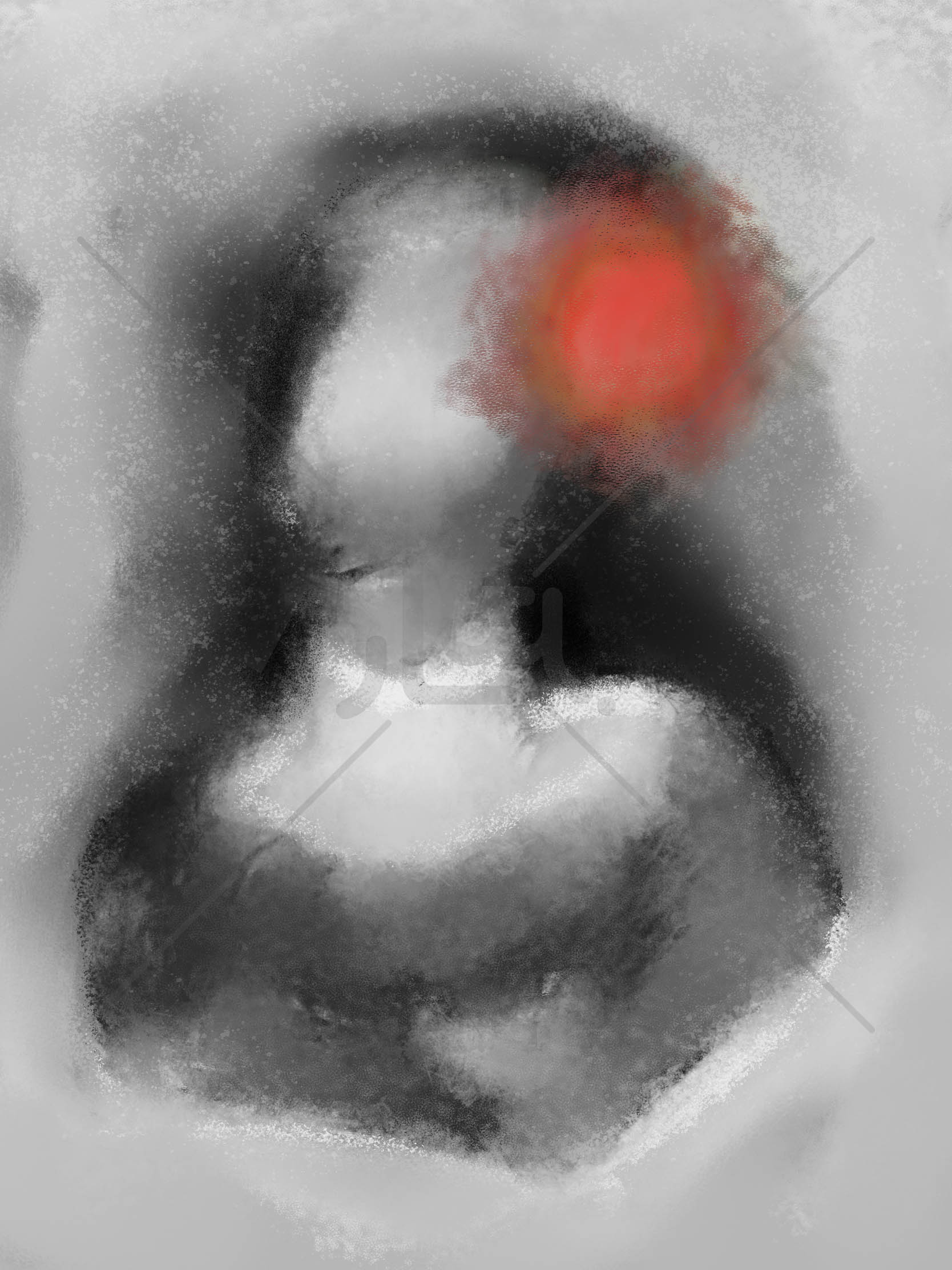
The Invesibillisa
A moment of quiet disappearance The figure dissolves into a…
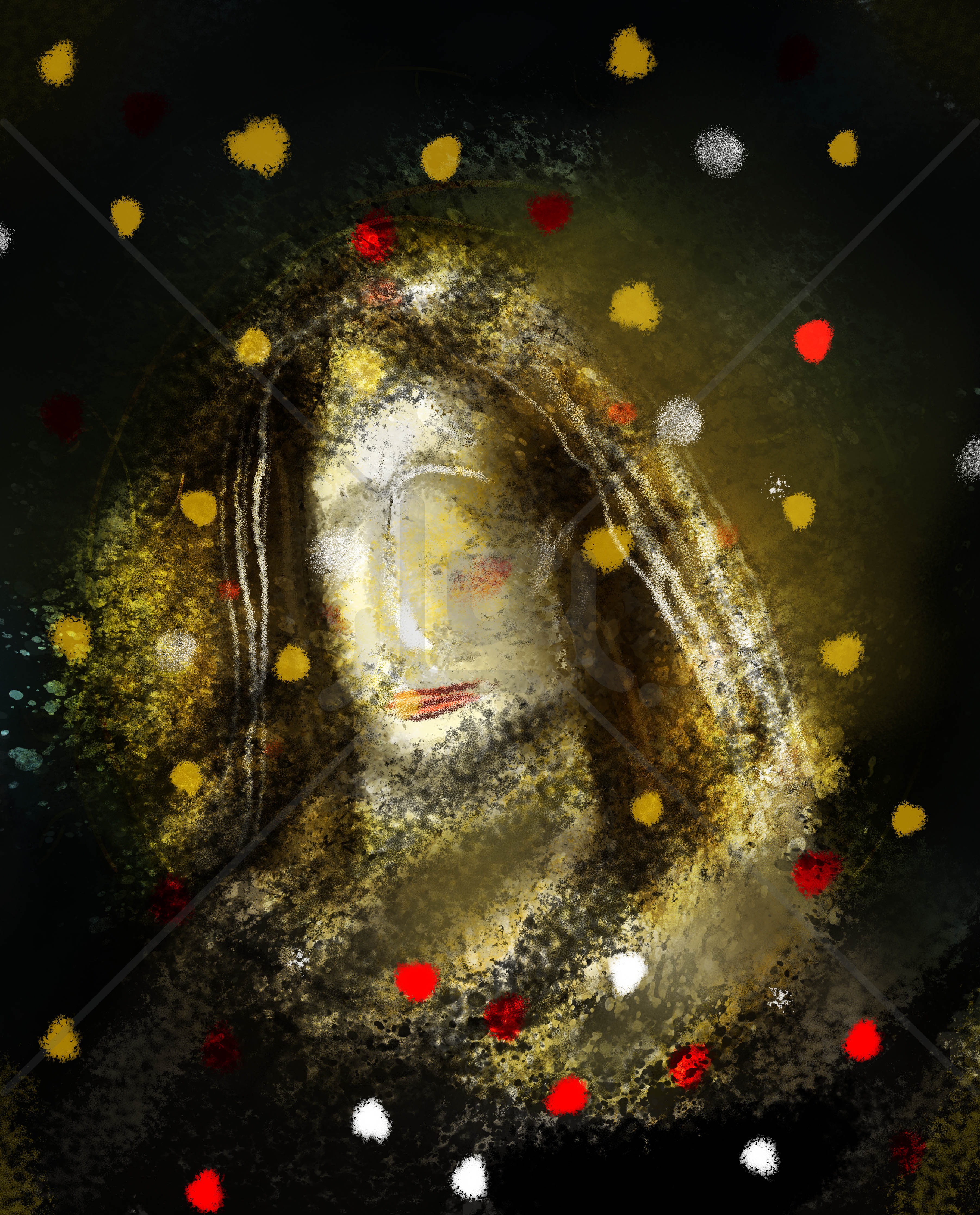
The Preserver of the Tessera – Part of the Byzantine Saga
Inspired by Byzantine iconography, this artwork imagines a heroic saint.…
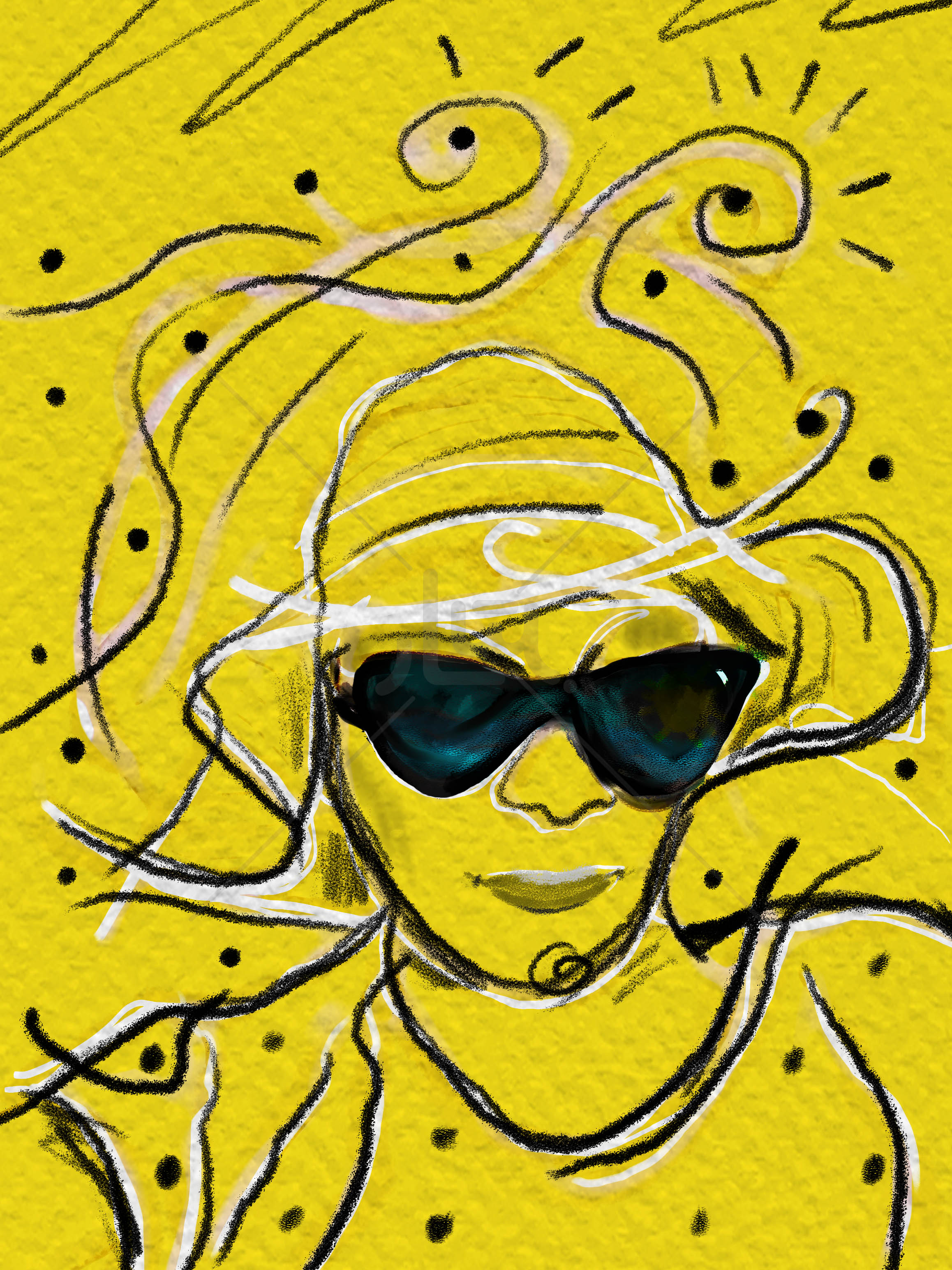
Sunshine
When she comes, it’s sunshine.This portrait radiates with vibrant colors…

Modern Aesthetics
Examining the culture of manufactured beauty. The artworks reflect how…
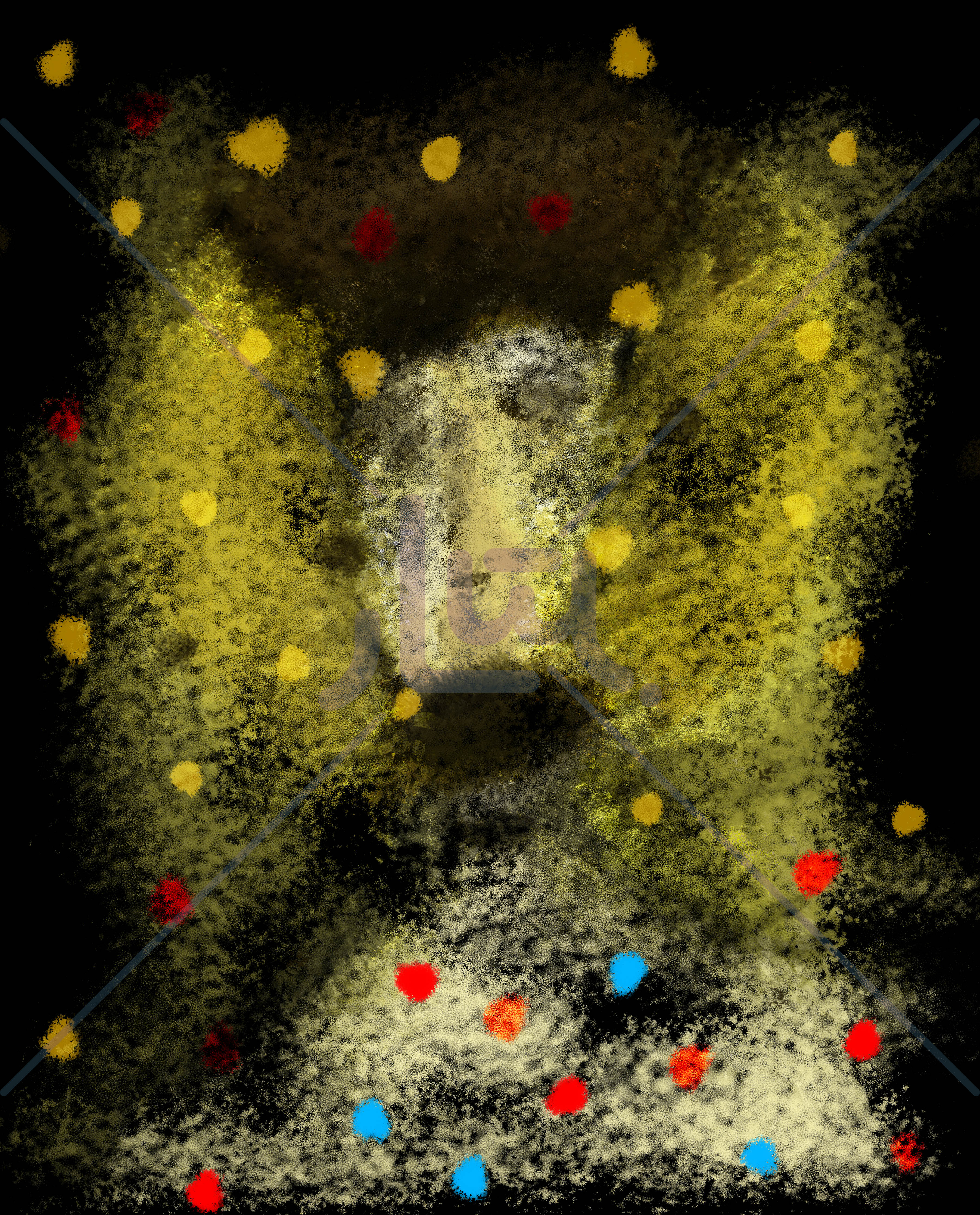
Defender of the Icon – Part of the Byzantine Saga
Inspired by Byzantine iconography, this artwork imagines a heroic saint.…

Nerdy But Cool
When looks are deceiving, perception becomes the subject of art.…
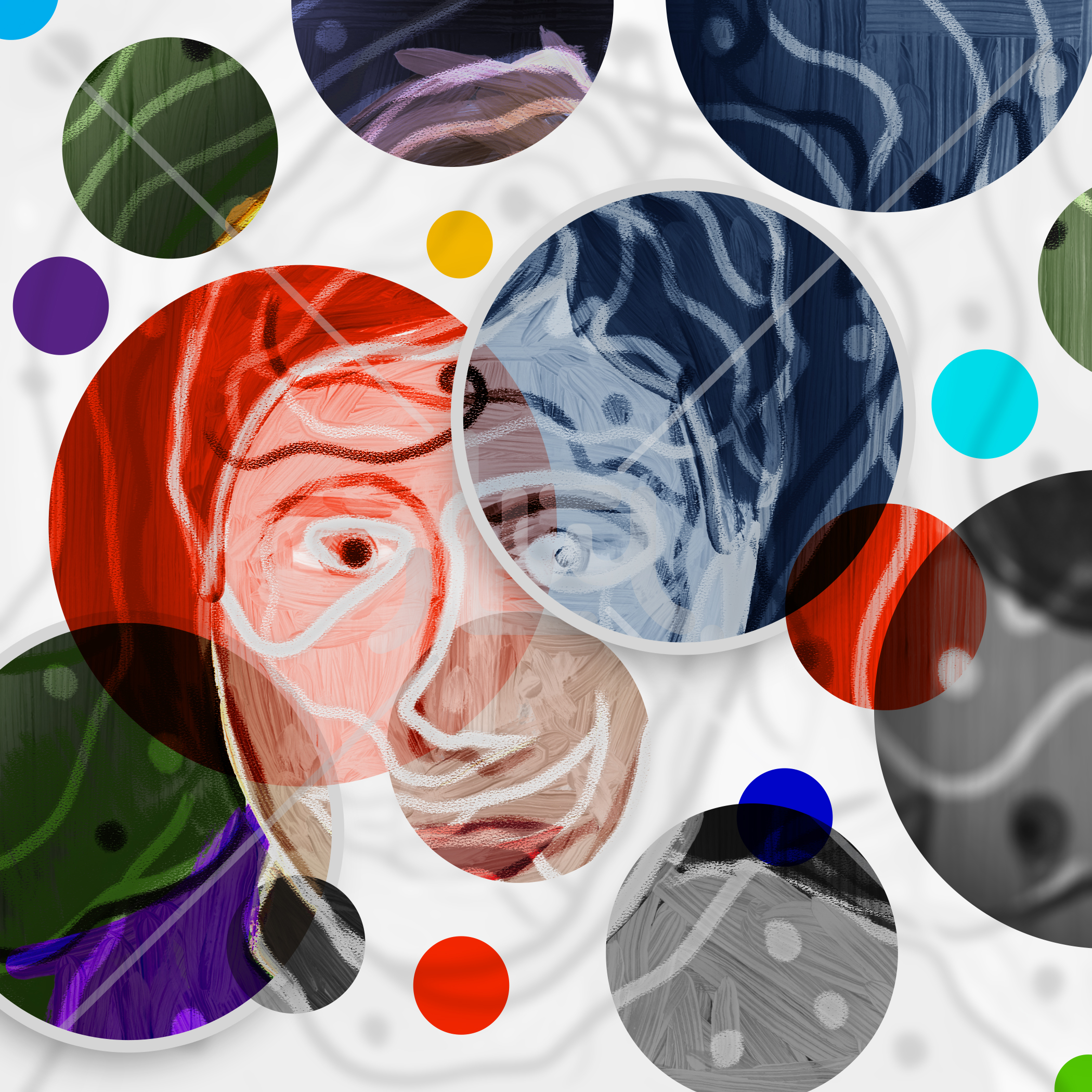
Aura
Turning an artist friend’s vivid imagination into a visual language…
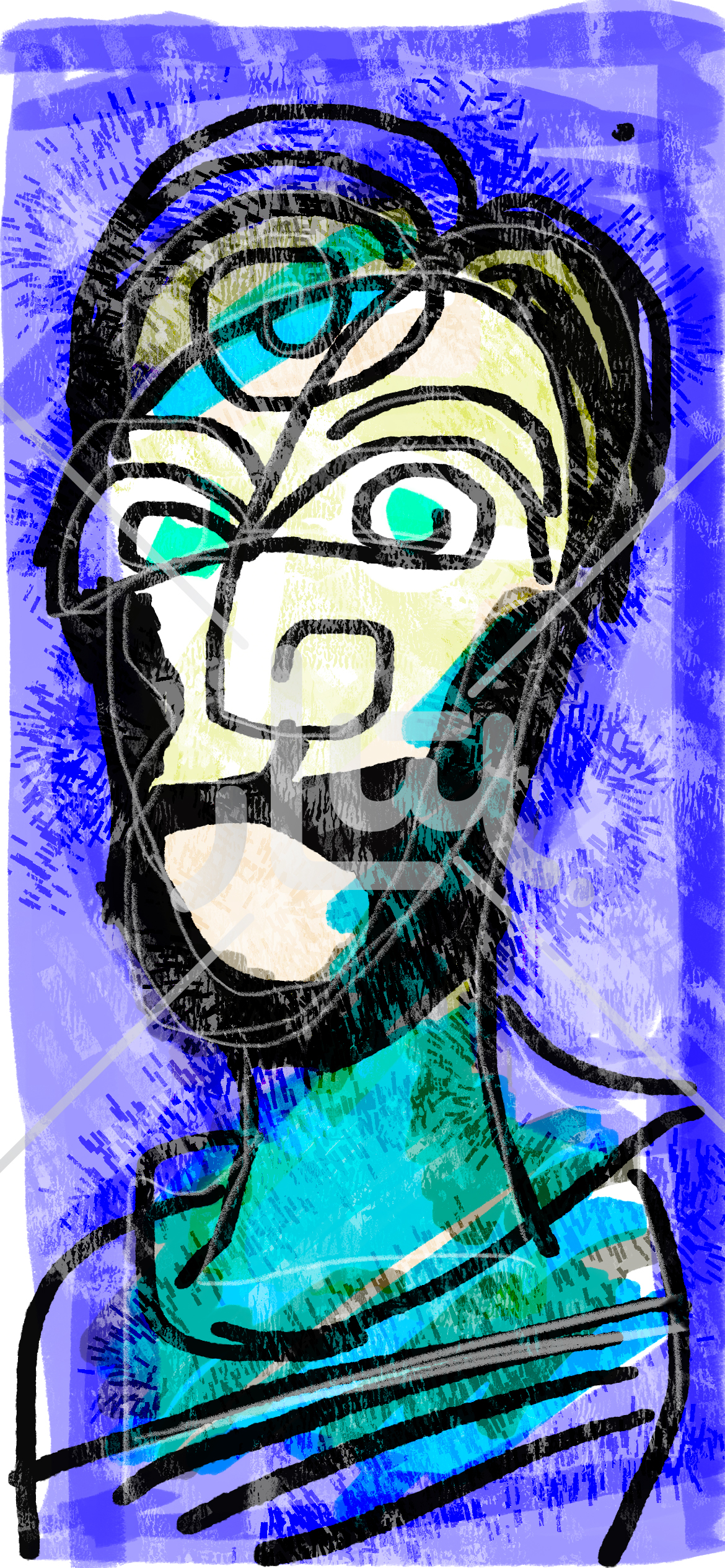
The Watcher
These pieces capture a moment both funny and unsettling: a…
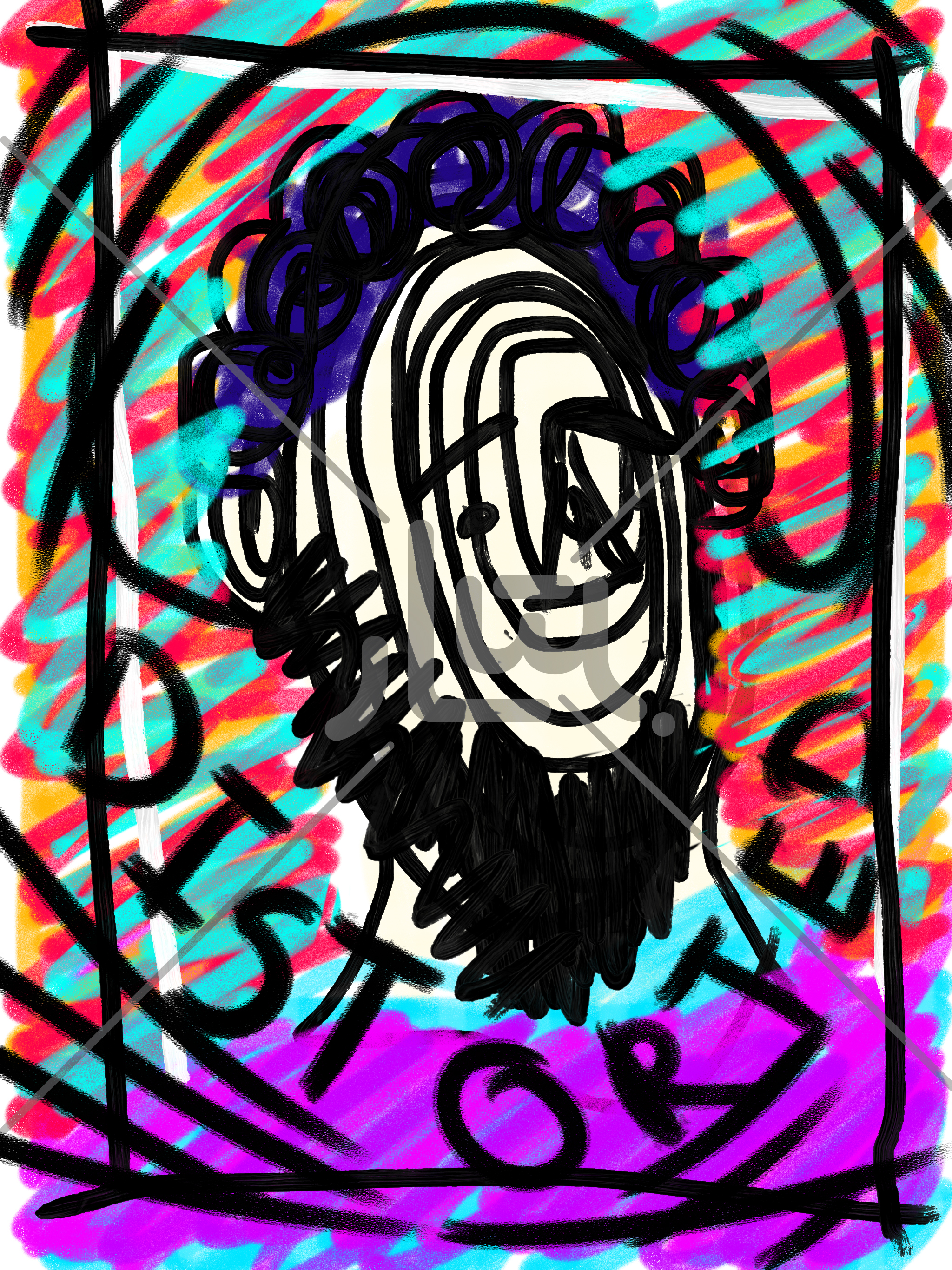
Distorted
Click to enlarge. Distorted explores how interpretation bends concepts. Bonfelle…

We Are One
This piece celebrates the union between genders, colors, races, and…
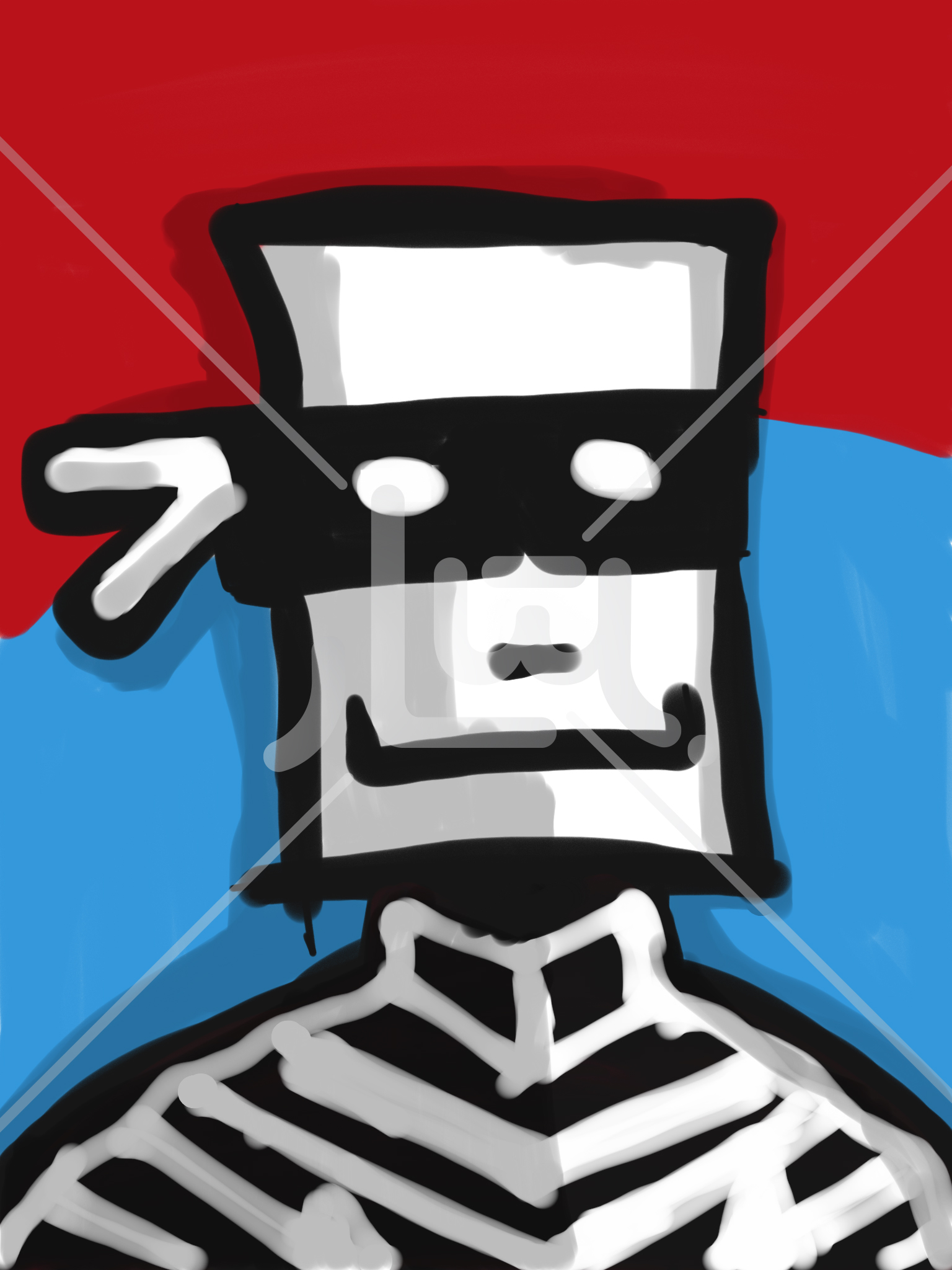
The Robber
The robber, armed only with a smile, is clearly up…
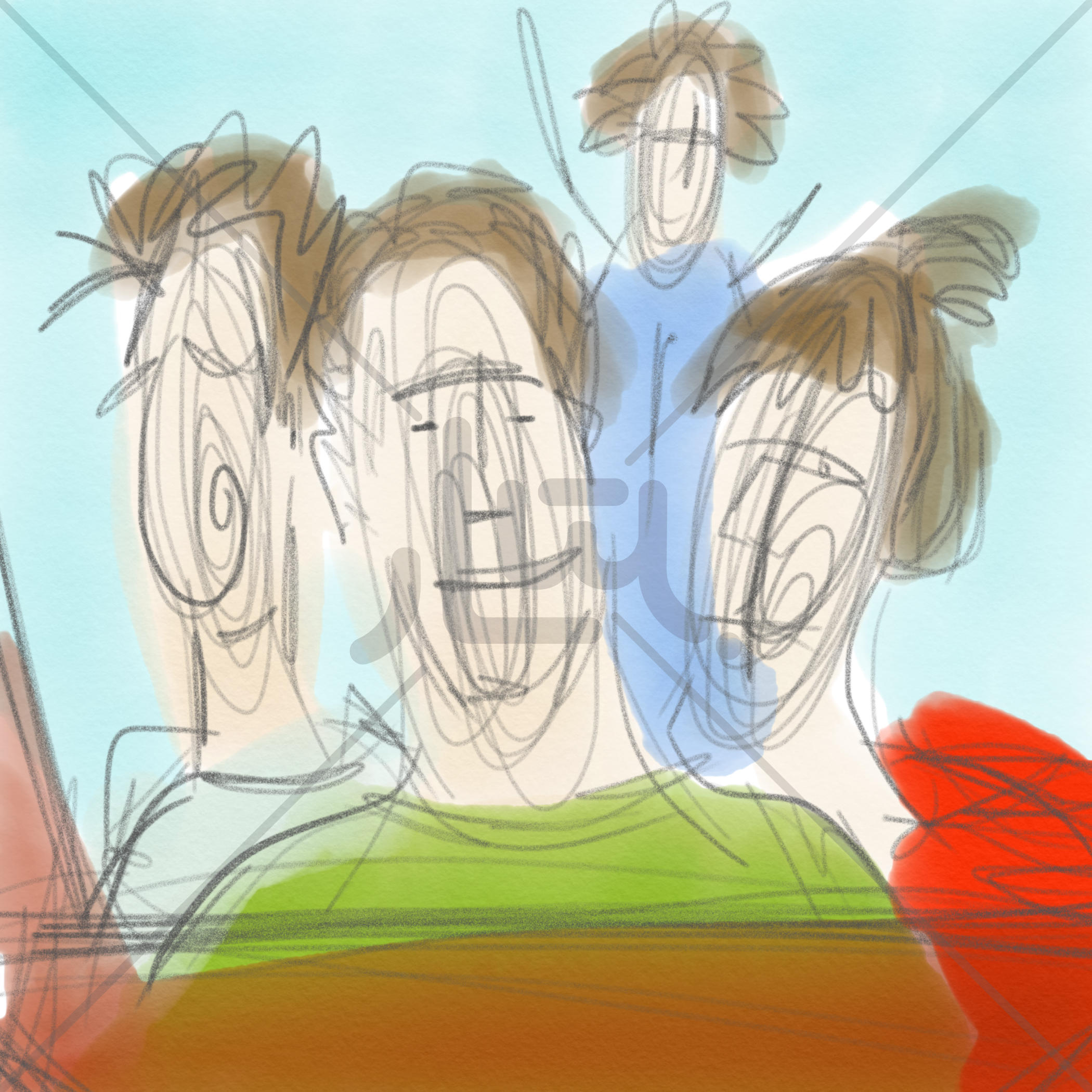
Them
These pieces capture a group of friends taking a selfie:…